Gaming, Internet & Social Media Addiction Therapy
Find support in navigating digital compulsion. Rebuild focus, connection and steadiness.
In today’s hyper-connected world, screens are everywhere from smartphones and consoles to work laptops and streaming devices. Technology has transformed the way we communicate, entertain, learn, and unwind. But for some, the digital realm becomes more than just a tool; it becomes a trap. When gaming, internet use or social media begins to consume your time, hijack your attention and erode your wellbeing, it may signal something more serious: a behavioural addiction that deserves thoughtful, therapeutic attention.
At Addiction Therapist London, I offer specialist therapy for those struggling with gaming, internet and social media addiction, whether that's excessive internet gaming, endless scrolling on social media or unhealthy digital media consumption. This is a discreet, non-judgemental space for individuals seeking to understand the emotional roots of their behaviour and regain control.
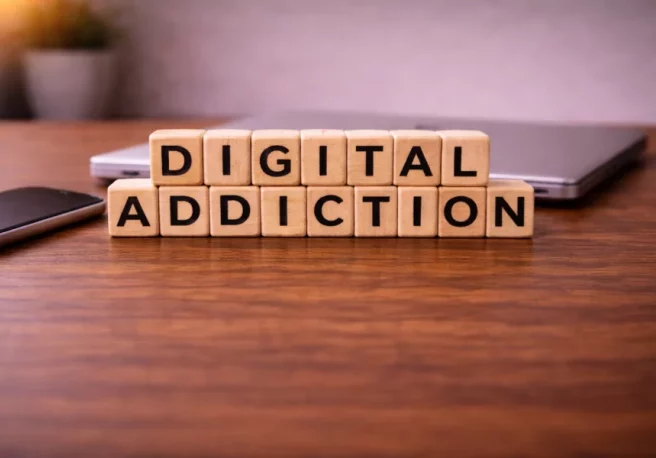
Understanding Digital Addiction
Gaming addiction, internet addiction and social media addiction are increasingly recognised as serious mental health challenges. These behaviours are not simply about “screen time” they often function as coping mechanisms for deeper emotional difficulties such as anxiety, loneliness, trauma or neurodivergent overload.
In 2019, the World Health Organization officially recognised Internet Gaming Disorder as a clinical condition. Since then, growing research has confirmed the serious psychological, cognitive and relational effects of excessive digital use. Social media platforms and video games are engineered to be highly addictive, capitalising on reward systems in the brain to keep users hooked.
Common signs of digital addiction include:
- Inability to stop or reduce screen time despite negative consequences
- Preoccupation with video games, apps or social networks
- Using digital platforms to escape boredom, anxiety or emotional pain
- Sleep disruption due to late-night usage
- Feelings of anxiety, guilt or restlessness when offline
- Neglecting responsibilities, hobbies or relationships
- Mood swings or depression when not connected
- Constant switching between apps or tabs without intention
If you’ve found yourself wondering, “Am I addicted to social media?” or “How can I stop gaming so much?” then therapy can help provide clarity and direction.
Why Is Social Media Addictive?
Social media is deliberately designed to exploit human psychology. Features such as likes, notifications, infinite scroll and algorithmic content loops activate the dopamine system in the brain creating a cycle of anticipation, reward and craving. This process is very similar to how gambling or substance use operates, which is why social media use is increasingly compared to drug addiction in its neurological impact.
It’s no surprise that people across all age groups (especially adolescents and young professionals), find themselves caught in a cycle of checking, comparing and consuming. And while the platforms may offer momentary relief the long-term effects can include increased anxiety, low self-esteem, emotional dysregulation and disconnection from real life.
Gaming: Escapism, Mastery or Dependency?
Video game addiction is not about the games themselves, but about their function in a person’s life. Many people game for fun and relaxation, but when problematic gaming becomes the main way of coping with stress, regulating mood or avoiding reality, it can turn into dependency.
Gaming addiction is particularly prevalent among young men, neurodivergent individuals (especially those with autism or ADHD) and people experiencing social isolation or low mood. Popular online games often include infinite progression loops, reward structures and social hierarchies that make them incredibly engaging and difficult to walk away from.
You may be addicted to gaming if you:
- Play for hours without awareness of time
- Prioritise gaming oversleep, meals or work
- Become irritable or anxious when not playing
- Use gaming to cope with emotional discomfort
- Withdraw from in-person interactions
- Experience a sense of identity or status only within the gaming world


Internet Addiction: Endless Scrolling and the Illusion of Control
Internet addiction and excessive browsing can be just as compulsive as gaming itself. Internet addiction may involve compulsive news checking, binge-watching, smartphone addiction or endless scrolling.
This can manifest as:
- Compulsive information seeking
- Streaming addiction for emotional numbing
- Digital hoarding or constant tab-switching
- Late-night browsing causing sleep issues
- Constant checking for updates or notifications
If you’ve asked yourself, “How do I stop social media addiction?” or “Why is social media so addictive?” — the answer often lies in understanding what the behaviour is helping you avoid.
What Drives Digital Addiction?
Digital addictions rarely exist in isolation. They often signal deeper emotional and relational challenges, such as:
- Emotional avoidance
- Low self-esteem or perfectionism
- Attachment difficulties or early relational trauma
- Neurodivergent overwhelm
- Social anxiety or isolation
- Lack of structure or purpose
In my professional experience, these patterns are often linked to challenges in emotion regulation. Screens provide a quick but temporary escape, leaving the core issues unaddressed.
Who Is This Therapy For?
I support adults and adolescents who:
- Feel powerless to control their digital use
- Experience shame, secrecy, or guilt about screen time
- Have noticed declines in mood, motivation or cognitive functioning
- Are facing relationship strain or conflict around tech use
- Are concerned about gaming, internet or social media addiction
- Are parents of children or teens showing compulsive digital behaviours
- Are struggling with tech overload and burnout
In some cases, problematic gaming, social media overuse or internet addiction may co-occur with other challenges such as internet gaming disorder, video game addiction, phone addiction, smartphone addiction, emotion regulation difficulties or broader behavioural addictions. Therapy can help address these issues in an integrated, personalised way supporting both emotional wellbeing and healthier digital habits.
My Therapeutic Approach
Your therapy plan may include:
- Psychodynamic therapy
- CBT strategies for impulse control
- Psychoeducation about the effects of gaming and social media on the brain
- Motivational interviewing for behaviour change
- Relapse prevention planning for healthier tech habits
- Art Psychotherapy for non-verbal processing
- Support for co-occurring conditions like anxiety, depression or ADHD
Rebuild Balance and Meaning in a Digital World
With structured support, it’s possible to work toward greater balance in your time, focus and wellbeing without giving up technology altogether. Whether you want to reduce social media use, take control of problematic gaming or create healthier digital boundaries, therapy offers a compassionate, expert-led path forward. Please visit the Consultations, Availability and Fees page for further support.
Arrange a complimentary consultation or a private therapy session.