Love and Relationship Addiction Therapy
When connection becomes compulsion: understanding the hidden patterns beneath emotional dependency
Love and relationship addiction doesn’t always present as chaos. Sometimes, it hides behind idealised romantic love, repetitive heartbreak, or an inability to tolerate emotional distance. You may find yourself clinging to unavailable or emotionally inconsistent partners, unable to let go even when the romantic relationship becomes harmful. Others might jump quickly from one relationship to the next, constantly seeking connection, validation, or emotional intensity.
This pattern is often misunderstood by others and deeply painful for the person living it reflects more than just “bad luck in love.” It’s a compulsive cycle rooted in deeper emotional wounds, attachment patterns, and survival strategies formed early in life.
At my private psychotherapy practice in London’s Harley Street Medical Quarter (including locations at St Pauls in the City of London and online), I work with individuals who feel consumed by cycles of romantic obsession, toxic relationships, co-dependency, and emotional craving. Whether you’re constantly seeking the ‘high’ of new love, struggling to leave painful relationships, or feel empty when alone, therapy offers a safe, discreet, and compassionate space to help you untangle the emotional knots and build a healthy relationship with yourself and others.
What Is Love and Relationship Addiction?
Love and relationship addiction sometimes referred to as emotional dependency, limerence, or addictive relationships, is a form of behavioural addiction. Love and relationship addiction can function in ways that resemble other compulsive patterns, including cycles of craving, reward, withdrawal, and return.
You may be experiencing this if you:
- Fall in love quickly and intensely, sometimes repeatedly
- Cling to or pursue emotionally unavailable, abusive, or inconsistent partners
- Feel deep panic or worthlessness when not in a relationship
- Have difficulty being alone or tolerating emotional distance
- Sacrifice your values, boundaries, or well-being to maintain connection
- Experience cycles of drama, obsession, and emotional withdrawal
It’s not uncommon to feel like you’re a love addict, addicted to love itself or to the emotional rollercoaster of relationships. These are not moral failings, they are often survival responses developed to cope with unmet emotional needs, early abandonment, or attachment trauma.
Why Is Love So Addictive?
One reason romantic love and intensity can feel so addictive is the brain’s reward system. Falling in love releases powerful neurochemicals, including dopamine and oxytocin; similar to the highs triggered by drug addiction or behavioural addiction. This creates intense pleasure but also sets the stage for dependency.
If you grew up with unpredictable love, neglect, emotional inconsistency, or trauma, your brain may have wired itself to seek safety through intense relationships even if they are harmful. This can lead to:
- Repeating toxic relationship patterns
- Confusing drama with intimacy
- Becoming emotionally dependent on one person for validation
- Staying in unhealthy relationships due to fear of abandonment
- Feeling addicted to the rush of romantic infatuation
Relationship Addiction vs. Healthy Attachment
People often ask me, “Is love addiction real?” or “Is it love or is it addiction?” In a healthy relationship emotional connection is grounded in mutual respect, safety and reciprocity. In contrast, love addiction is marked by compulsivity, fear of abandonment, and emotional self-neglect.
Healthy relationships allow for autonomy and personal boundaries. Addictive relationships often feature enmeshment, possessiveness, or obsession. If you find yourself obsessively checking messages, unable to concentrate when your partner is distant, or spiralling into despair when alone, it may indicate emotional addiction, not just attachment.
Causes of Love and Relationship Addiction
Love addiction is not simply about poor choices it is often the result of early relational trauma and unmet emotional needs. Many clients I work with have experienced:
- Attachment trauma: Emotionally unavailable, neglectful, or inconsistent caregivers
- Low self-worth: Beliefs that love must be earned through self-sacrifice or intensity
- Insecure attachment styles: Including love avoidant or anxious tendencies
- Enmeshment or emotional parentification: Where boundaries were blurred early on
- Neglect, abuse, or early abandonment: Linking love and safety with pain
- Repetition compulsion: Unconsciously recreating unresolved childhood dynamics
Therapy helps you explore and heal these origins rather than focusing only on the behaviour itself.
Can Addicts Love? Can You Love an Addict?
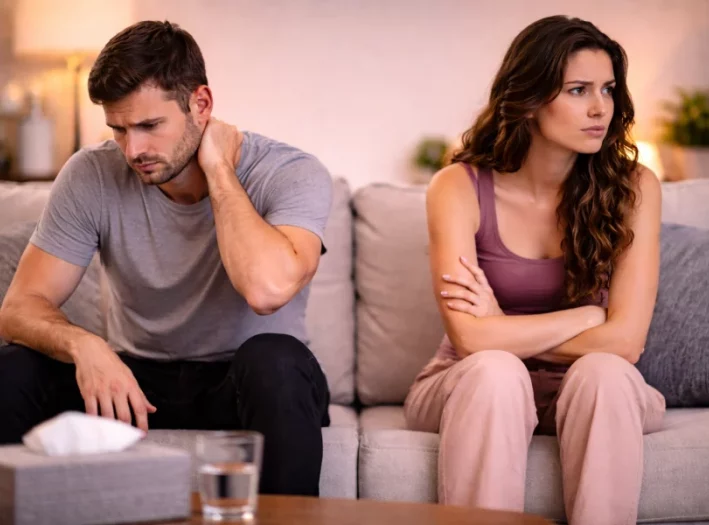
Many people in relationships with addicts whether to substances, sex, or love itself ask: “Can an addict love?” or “Can a sex addict love their partner?” While love and addiction can co-exist, addiction often distorts how love is expressed. Emotional availability, consistency, and trust can often be compromised.
Therapy can help you explore these dynamics, especially if you are in a relationship with someone who has unresolved addiction or trauma of their own.
Understanding Co-Dependency
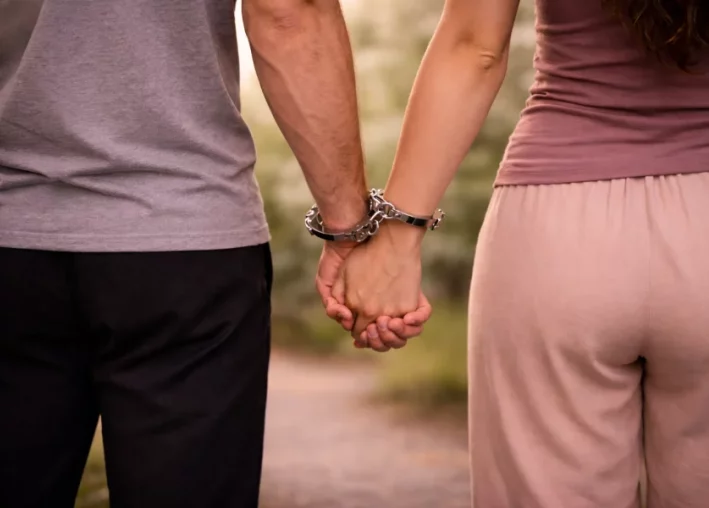
Co-dependency is a relational dynamic in which your sense of identity, worth, or emotional stability becomes overly reliant on another person often at the expense of your own needs, boundaries, or wellbeing. While love addiction and co-dependency often overlap, co-dependency is more about the compulsion to care for, rescue, or fix others in order to feel secure.
Signs of co-dependency include:
- Prioritising your partner’s emotions over your own
- Feeling responsible for someone else’s happiness or emotional state
- Avoiding conflict for fear of rejection or abandonment
- Losing touch with your own friendships or interests
- Remaining in dysfunctional relationships out of guilt or obligation
- Confusing control or martyrdom with love
Therapy helps you untangle these patterns, reclaim autonomy, and create more balanced, healthy relationships.
How Therapy Helps Break the Cycle
Recovery from love addiction isn’t about giving up on romantic relationships, it’s about creating safe, nourishing, and reciprocal connections. Where clinically appropriate, I may also recommend or collaborate with GPs, psychiatrists, or other mental health specialists to ensure your emotional wellbeing is supported in the most safe and comprehensive way. Therapy offers the opportunity to:
- Understand your emotional blueprint
- Rebuild self-worth and stability
- Learn secure attachment skills
- Grieve past relational losses
- Break the cycle through insight and education
- Reclaim autonomy and choice
My approach combines psychodynamic therapy, trauma-informed care, and, where appropriate, Art Psychotherapy to deepen emotional processing.
Who I Work With
This therapy is for:
- Individuals who feel addicted to love or emotional connection
- Those in repeated cycles of romantic chaos or abandonment panic
- People healing from toxic or co-dependent relationships
- Clients grieving breakups that feel unbearable
- Neurodivergent adults or trauma survivors seeking clarity
In my professional opinion, these patterns often stem from unacknowledged survival instincts formed early in life not from weakness or desperation. Therapy provides a place to gently challenge these beliefs and re-learn how to give and receive love in a healthy relationship.
How to Recover from Love and Relationship Addiction
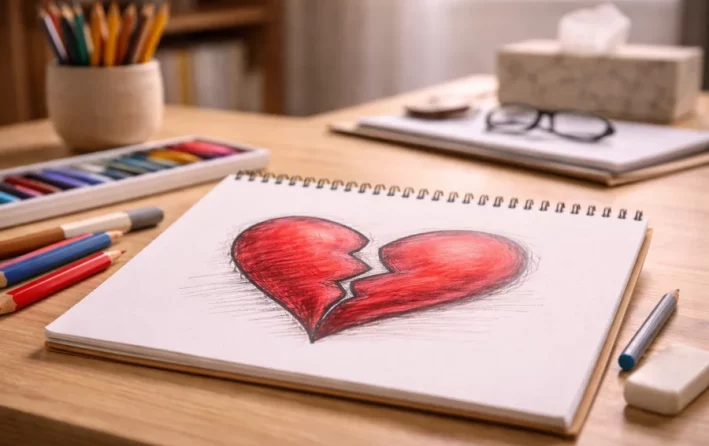
Clients often ask, “Can love addiction be cured?” or “How do I get over love addiction?” Recovery begins with awareness, support, and the willingness to explore your inner world. It may include:
- Cognitive restructuring to challenge limiting beliefs
- Attachment work for secure relational patterns
- Nervous system regulation to manage emotional intensity
- Inner child healing for unmet needs
- Boundary-setting to maintain autonomy
For those wondering “How to stop being a love addict?” the answer lies in compassionate reconnection to your authentic self.
Private, Discreet Therapy in London or Online
My practice is based in Harley Street’s Medical Quarter, St Pauls in the City of London and remote video therapy for UK and international clients.
This service is ideal for individuals seeking emotional depth, clinical expertise, and privacy.
Take the First Step
If your relationship history feels like pain rather than peace, it may be time to explore what lies beneath. You are not broken or unlovable your patterns make sense once understood.
A complimentary 15-minute consultation is available for all new enquiries. Let’s begin the work of moving from emotional dependency to emotional sovereignty, so love becomes a choice, not a compulsion.
Arrange a complimentary consultation or a private therapy session.