Art Psychotherapy for Trauma
Heal Beyond Words. Discover a Creative Path to Recovery.
Trauma does not only reside in memory, it lives in the body, in sensation, and in the unspoken parts of the self. For many survivors of psychological trauma, traditional talk therapy or even cognitive behavioural therapy can feel overwhelming, inadequate, or simply inaccessible. Words may be elusive, or insufficient to capture the complexity of what’s been experienced.
This is where Art Psychotherapy intervention offers a profound and often transformative alternative.
As a state-registered Art Psychotherapist (HCPC) with over a decade of experience, I specialise in helping individuals process trauma through art making and expressive art, offering a safe, non-verbal way to engage with overwhelming emotional content, rebuild internal safety, and reconnect with the self.
Sessions take place in the discreet, professional setting of London’s Harley Street Medical Quarter, St Pauls in the City of London and online, with full confidentiality assured.
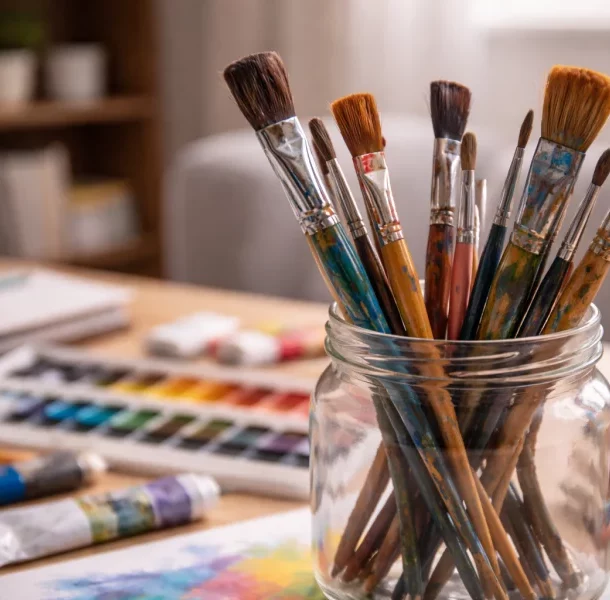
Why Art Psychotherapy for Trauma?
Trauma, whether from childhood trauma, medical trauma, sexual assault, traumatic stress, or other overwhelming experiences, often leaves the nervous system in a state of chronic dysregulation.
Symptoms can include:
- Dissociation, emotional numbing, or shutdown
- Flashbacks, nightmares, or post-traumatic stress symptoms
- Difficulties with trust, intimacy, or self-worth
- Unexplained somatic symptoms such as fatigue or tension
- Addictive behaviours or compulsive patterns
- Feelings of being stuck, fragmented, or “not like yourself”
Art Psychotherapy offers a route to trauma processing that does not depend on verbal narrative, and is approached in a way that prioritises emotional safety and avoids overwhelm. It supports individuals in trauma processing through symbolic expression, bypassing the parts of the brain that shut down under stress and accessing deeper parts of the self.
This work can be especially beneficial for those struggling with post-traumatic stress disorder, traumatic memories from childhood abuse, or trauma that is preverbal in nature. It can also be particularly supportive for clients experiencing shame, emotional detachment, or who have had limited success with more conventional trauma therapy approaches.
The Science Behind Creative Trauma Work
Contemporary neuroscience shows that trauma often impacts the right hemisphere of the brain, the part responsible for imagery, sensory memory, and emotion. Trauma tends to disconnect individuals from their bodily awareness and relational security.
Creative art and art making, when guided within a trauma-informed therapeutic relationship, activate this right hemisphere, allowing unconscious material to emerge in a non-threatening way.
The artwork becomes a regulating object, a visual anchor that externalises distress and allows it to be safely held, observed, and integrated.
In practice, this means you may express emotions through colour, shape, movement, or metaphor long before you’re able to verbalise them. Art Psychotherapy allows for a bottom-up approach to trauma treatment working gently with the body, the image, and the nervous system.
What Happens in a Session?
Sessions are 50 minutes long and take place in a quiet, confidential room designed to support emotional safety and creative exploration. You don’t need to be an artist or have any prior experience with art making.
You’ll be invited to use a variety of materials, which may include oil pastels, acrylic paint, charcoal, collage, or digital media. The choice is always yours. There’s no right or wrong way to create.
The process is collaborative. We explore the imagery together at a pace that feels safe. The aim is not to interpret or analyse the art, but to gently understand the emotional experiences and meanings that may emerge from it.
Often, the image speaks on behalf of a part of the self that has felt silenced, minimised, or overwhelmed.
Why This Work Matters
Many clients tell me that Art Psychotherapy is the first time they’ve felt truly understood without having to explain everything.
In my professional opinion, healing from a traumatic event begins not with words, but with safety, and often, the image speaks where language falls short.
When the body carries stories, the mind cannot yet tell, Art Psychotherapy offers a compassionate way in and, more importantly, a way through.
Who Is This For?
Art Psychotherapy for trauma may be especially helpful if you:
- Have experienced sexual abuse, childhood trauma, or relational trauma
- Are struggling with post-traumatic stress, post-traumatic stress disorder, or dissociative symptoms
- Find it difficult to speak about a traumatic experience
- Have been in therapy before but feel emotionally stuck
- Experience body-based symptoms without a clear medical cause
- Are navigating adverse childhood experiences or traumatic stress
- Are neurodivergent and need a sensory-sensitive, non-verbal approach
- Prefer individual therapy that does not rely solely on words
You don’t need to be in crisis, have a diagnosis, or know If something has impacted how you feel about yourself or your relationships, it’s valid, and it’s welcome in this space.
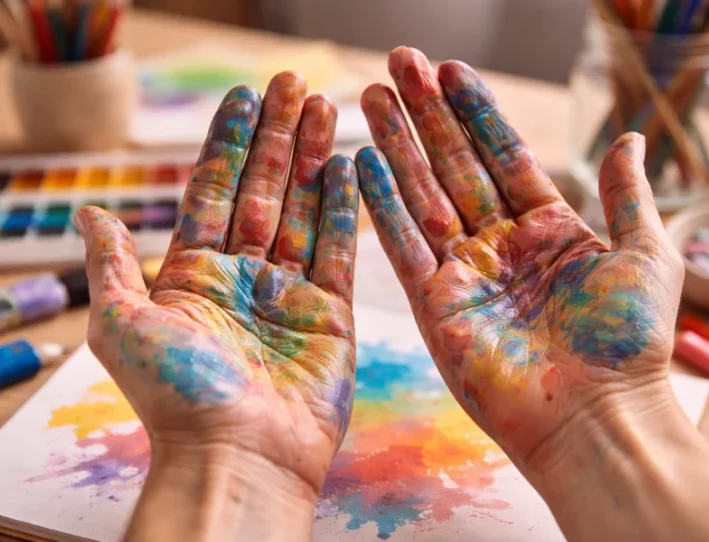
The Role of the Therapist
My approach is relational, trauma-informed, and deeply attuned. Safety is the foundation. I work slowly and respectfully, honouring the defences you’ve built to survive while gently supporting new ways of relating to yourself.
You may find that the image helps give voice to internal parts that feel young, wounded, or confused. This process is not about catharsis or overwhelm, but about containment, integration, and eventual transformation.
Outcomes: What Can Art Psychotherapy Help With?
- Reduced traumatic stress symptoms
- Increased self-regulation and self-trust
- Integration of dissociated parts of the self
- Greater access to emotion, memory, and meaning
- Reconnection to body, identity, and creativity
- Safe reconnection to imagination and relational intimacy
- Expanded sense of agency and coherence
Clinical Expertise You Can Trust
With experience across NHS services, specialist trauma teams, and private sector roles, I bring clinical depth, specialist training, and a strong ethical foundation to this work. I integrate an understanding of traumatic stress, childhood trauma, trauma treatment, and commitment therapy principles into my practice. My clients come from all walks of life, and all are welcomed with discretion and respect.
A Quiet Revolution in Trauma Recovery
Art Psychotherapy is not a quick fix. It is steady and deeply transformative. For those silenced by traumatic experience, culture, shame, or fear, this work offers an expressive art route to healing that honours what words cannot say.
If you're ready to explore how Art Psychotherapy intervention can support your recovery from psychological trauma, I invite you to contact me for a complimentary confidential 15-minute consultation.
Arrange a complimentary consultation or a private therapy session.