Intravenous Ketamine Assisted Therapy (IV KAT)
Medically Supervised Ketamine Assisted Psychotherapy and Integration
What Is Intravenous Ketamine Assisted Therapy?
Intravenous Ketamine Assisted Therapy (IV KAT) is an evidence-informed psychiatric treatment model used in specialist settings for individuals experiencing treatment-resistant depression, trauma-related conditions, and certain complex addiction presentations. Unlike traditional antidepressant medication, intravenous ketamine is administered in a controlled clinical environment under the supervision of a prescribing psychiatrist.
Ketamine acts on glutamatergic pathways in the brain, particularly NMDA receptors. Clinical research has demonstrated rapid antidepressant effects in some individuals who have not responded to conventional pharmacological treatment. In certain cases, individuals report meaningful improvement within hours or days rather than weeks.
Delivered intravenously, ketamine can induce altered states of awareness that temporarily reduce rigid cognitive patterns, entrenched rumination, and defensive psychological structures. These altered states may allow access to emotional material, trauma networks, or deeply embedded self-critical narratives that can be difficult to reach through conventional psychotherapy alone.
When combined with structured preparation and careful post-infusion integration, Ketamine Assisted Psychotherapy can support deeper emotional processing, increased psychological flexibility, and renewed engagement in therapeutic work.
Ketamine is always prescribed and administered by a qualified medical professional. I do not prescribe medication. My role within the IV KAT model is psychotherapeutic and integrative.

Certified Ketamine Assisted Psychotherapy Training
I am a Certified Ketamine Assisted Psychotherapy Therapist, having completed formal clinical training through the Skylight Psychedelics Ketamine-Assisted Therapy Training Course. This specialist certification provides structured training in preparation work, therapeutic presence during infusion, and post-infusion integration.
My approach to Intravenous Ketamine Assisted Therapy is measured and psychologically grounded. It is delivered within a collaborative psychiatric framework and positioned as part of a carefully coordinated, medically supervised treatment model.
I provide ketamine preparation and integration support from my consulting rooms in central London and online, working in close collaboration with prescribing psychiatrists operating within regulated medical settings.
Who May Benefit from Ketamine Assisted Therapy?
Intravenous Ketamine Assisted Therapy is typically considered when standard treatments, including psychotherapy and antidepressant medication, have not led to sufficient improvement. A specialist psychiatrist determines eligibility following comprehensive medical and psychiatric assessment.
Conditions for which Ketamine Assisted Therapy may be considered include:
• Treatment-resistant depression
• Complex or developmental trauma
• Post-Traumatic Stress Disorder
• Persistent suicidal ideation within specialist psychiatric settings
• Chronic anxiety disorders
• Certain addiction presentations
For individuals engaged in Addiction Therapy, particularly where trauma and depression are contributing to relapse cycles, IV KAT may sometimes be considered within a medically supervised plan. It is not a replacement for structured recovery work. However, it may support access to entrenched emotional material that sustains addictive behaviour.
Similarly, individuals engaged in therapy for trauma or long-standing depressive conditions may be referred for psychiatric assessment if conventional approaches have reached an impasse.
How Intravenous Ketamine Assisted Therapy Works
Intravenous ketamine is administered via infusion in a medically supervised setting. The dosing protocol and treatment schedule are determined entirely by the prescribing psychiatrist.
During infusion, individuals may experience:
• Altered perception of time and space
• Emotional release
• Increased introspection
• Reduced rumination
• A temporary softening of rigid self-critical narratives
For some individuals, this altered state creates a therapeutic window in which entrenched patterns loosen sufficiently to allow new perspectives to emerge.
However, the infusion itself is not the therapy. The clinical value lies in how the experience is prepared for, supported, and integrated. Without preparation and integration, insights may remain transient. Structured psychological containment is therefore central to the model.

My Role in Ketamine Assisted Psychotherapy
My role within Intravenous Ketamine Assisted Therapy is psychological rather than medical. I work collaboratively with prescribing psychiatrists to ensure the psychological process is contained, ethical, and therapeutically constructive throughout treatment.
Psychological Preparation
Preparation sessions focus on clarifying therapeutic intention, exploring expectations, assessing emotional stability, identifying trauma themes or relational patterns, establishing grounding strategies, and planning integration work.
Preparation enhances safety, reduces the likelihood of destabilisation, and supports individuals in approaching treatment with clarity and psychological readiness.
Psychological Support During Infusion
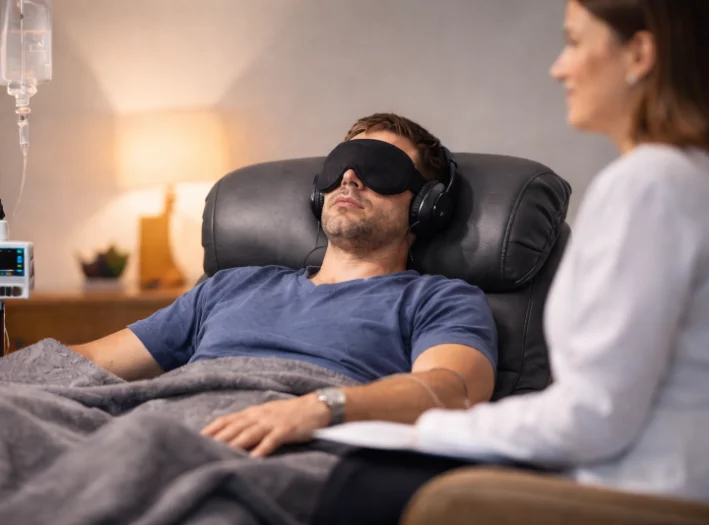
Where clinically appropriate and agreed within the multidisciplinary team, I may provide structured psychological presence during the infusion itself.
This involves regulated therapeutic presence, grounding guidance if anxiety arises, emotional containment, and monitoring psychological distress.
The emphasis is on safety and containment rather than interpretation during the altered state.
Post-Infusion Integration Therapy
Integration therapy is often the most clinically significant component of Ketamine Assisted Psychotherapy.
Without structured integration, insights may remain abstract or short-lived. Integration sessions help individuals process emotional material that emerged, reflect on cognitive shifts, consolidate insight, identify behavioural changes, stabilise emotional regulation, and translate experience into sustainable relational or lifestyle adjustments.
For individuals working through complex trauma or addiction patterns, integration sessions connect insights directly into ongoing therapeutic work. This is where long-term psychological benefit is consolidated.
Ketamine Assisted Therapy and Addiction Treatment
In complex addiction cases, particularly those marked by chronic relapse, trauma history, or co-occurring depression, conventional therapeutic interventions can reach a plateau.
Within a medically supervised framework, Intravenous Ketamine Assisted Therapy may support reduction in depressive states that perpetuate substance use, increased psychological flexibility, softening of entrenched shame-based identity structures, access to trauma material underlying compulsive behaviour, and renewed motivation for recovery.
It is not a standalone addiction treatment and does not replace structured relapse prevention, behavioural accountability, or external recovery support.
Rather, it may function as an adjunct within a broader addiction treatment plan that includes ongoing psychotherapy, psychiatric care, and structured recovery frameworks.
If you are currently engaged in Addiction Therapy, we can explore whether psychiatric referral for assessment may be appropriate within your wider treatment plan.
Safety, Screening and Medical Oversight
Safety is central to all Ketamine Assisted Therapy.
All ketamine-assisted work is undertaken in collaboration with select prescribing psychiatrists. This includes comprehensive psychiatric assessment, appropriate medical screening, clear prescribing responsibility, monitoring during infusion, ongoing risk management, and structured communication between professionals.
Ketamine is never administered outside of medical supervision and is not offered as an independent or unsupervised intervention.
This multidisciplinary approach supports ethical practice, psychological containment, and responsible clinical oversight.
A Measured and Ethical Approach
Intravenous Ketamine Assisted Therapy is a developing area of psychiatric practice. My approach is cautious, clinically grounded, and aligned with established therapeutic principles.
The emphasis remains on psychological depth, emotional containment, ethical collaboration, medical oversight, and sustainable long-term change.
Arranging an Initial Consultation
If you are struggling with treatment-resistant depression, complex trauma, or addiction patterns that have not responded to conventional therapy, we can discuss whether Ketamine Assisted Psychotherapy may form part of your wider treatment plan.
An Initial Consultation allows us to explore your treatment history, current stability, and whether referral to a prescribing psychiatrist may be appropriate.
All decisions regarding medication remain the responsibility of the psychiatrist. My role is to provide structured psychological preparation and integration within a coordinated model of care.
If you would like to explore whether Ketamine Assisted Psychotherapy may be appropriate as part of your treatment plan, you are invited to visit the Consultation, Availability and Fees page to arrange an initial consultation.
Arrange a complimentary consultation or a private therapy session.