ADHD & Autism Assessments in London
Private Adult ADHD, Autism & Combined Diagnostic Assessments
Understanding whether you have ADHD, autism or both can provide a new perspective on experiences that may have shaped your life for many years. For some adults, these questions emerge after longstanding difficulties with attention, organisation, relationships or sensory experiences. For others, they arise through psychotherapy, personal reflection or recognition of similar characteristics in family members.
I offer private adult ADHD, autism and combined diagnostic assessments through a structured, consultant psychiatrist-led pathway. My approach brings together specialist neurodevelopmental assessment training, over a decade of clinical experience and an understanding of how neurodivergence can intersect with trauma, addiction and psychological distress.
Based within London's Harley Street Medical Quarter, I offer assessments in person and online across the UK, where clinically appropriate. I also welcome international enquiries, with assessment arrangements considered individually according to clinical and regulatory requirements.
The aim is to provide careful diagnostic evaluation, comprehensive written findings and meaningful recommendations for ongoing support.
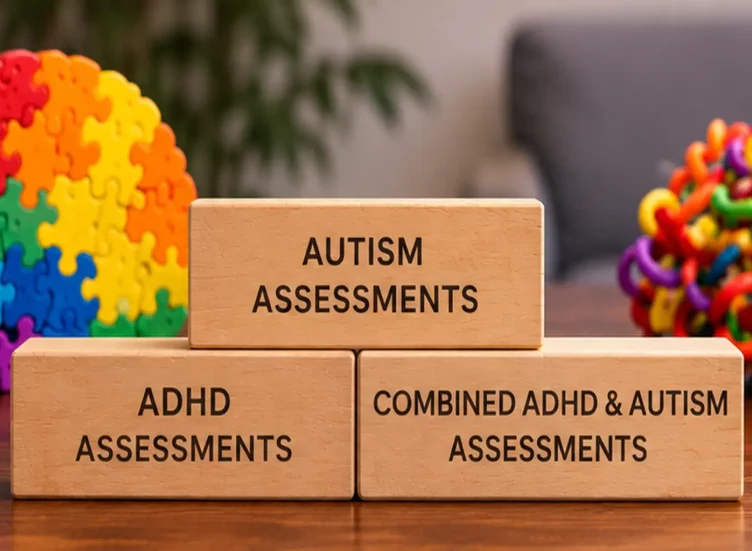
Understanding ADHD and Autism in Adults
ADHD and autism are neurodevelopmental conditions that can influence how individuals experience, process and respond to the world. Although their characteristics may become apparent in childhood, many people reach adulthood without a formal diagnosis.
ADHD in Adults
Attention Deficit Hyperactivity Disorder (ADHD) can affect attention, organisation, impulse control, activity levels and executive functioning.
Adult experiences may include:
- Difficulty sustaining attention or completing tasks
- Problems with planning, organisation or time management
- Restlessness, impulsivity or difficulty regulating attention
- Emotional regulation difficulties
- Periods of intense focus alongside difficulties managing routine demands
ADHD can present differently between individuals. Some adults develop sophisticated coping strategies that make their difficulties less apparent to others.
Autism in Adults
Autism can influence social communication, sensory processing, routines, interests and ways of interpreting or responding to experiences.
- Autistic adults may describe:
- Differences in communication or social interaction
- Sensitivity to sound, light, touch or other sensory input
- A preference for predictability or familiar routines
- Deep or focused interests
- Exhaustion associated with sustained social demands or masking
Autism is highly individual. A comprehensive assessment considers both a person's strengths and the difficulties they may encounter within particular environments.
Combined ADHD and Autism (AuDHD)
ADHD and autism can coexist. Some individuals recognise characteristics of both conditions, which may interact in ways that complicate identification.
A combined ADHD and autism assessment considers each condition while exploring how their characteristics overlap, differ or influence everyday functioning.
Why Consider an ADHD or Autism Assessment as an Adult?
Adults seek assessment for many reasons. Some have questioned their experiences for years, while others begin exploring ADHD or autism following difficulties at work, changes in relationships, burnout or conversations with a healthcare professional.
A formal assessment may help clarify longstanding patterns and distinguish neurodevelopmental characteristics from other psychological or psychiatric experiences.
Potential Benefits of a Formal Assessment
- An assessment may support:
- Greater understanding of personal strengths and challenges
- Clarification of ADHD, autistic or overlapping characteristics
- Recognition of previously unidentified support needs
- More informed decisions about psychological or psychiatric treatment
- Consideration of reasonable adjustments at work or in education
- Understanding of masking, exhaustion and emotional regulation
- More appropriate support where trauma, addiction or other conditions coexist
Assessment does not guarantee a diagnosis. Its value lies in reaching a carefully considered clinical understanding, whether or not diagnostic criteria are met.
My Approach to ADHD and Autism Assessment
As an HCPC-registered Art Psychotherapist, accredited Addiction Therapist and qualified Sex Addiction Therapist, I bring over a decade of clinical experience across private practice, NHS services and specialist mental health settings.
My work has involved adults with complex presentations, including neurodivergence, trauma, addiction, compulsive behaviours and coexisting psychological difficulties.
I have completed specialist training, including the Diagnostic Interview for ADHD in Adults (DIVA-5), Autism Diagnostic Observation Schedule, Second Edition (ADOS-2), and Autism Diagnostic Interview, Revised (ADI-R).
A Consultant Psychiatrist-Led Diagnostic Pathway
My assessment approach combines specialist psychological and developmental evaluation with consultant psychiatrist involvement.
I undertake appropriate psychological assessment components, explore developmental history and contribute to clinical formulation. The consultant psychiatrist undertakes the relevant psychiatric evaluation and participates in determining the diagnostic outcome.
Clinical findings are considered collaboratively, with multidisciplinary discussion where indicated by the agreed pathway or the complexity of the presentation.
This approach is particularly valuable when ADHD or autistic characteristics coexist with trauma, anxiety, depression, addiction or other conditions requiring careful differential diagnosis.
A Neuro-Affirming and Individualised Experience
I recognise that ADHD and autism can present in varied and sometimes subtle ways, particularly among adults who have spent years adapting to the expectations of others.
My approach is respectful, neuro-affirming and attentive to individual communication preferences, sensory needs and processing styles.
Rather than considering diagnostic criteria in isolation, I explore the person's developmental experiences, psychological functioning, strengths and support needs.
The ADHD and Autism Diagnostic Assessment Pathway
A comprehensive assessment involves more than screening questionnaires or a single diagnostic interview. The pathway brings together developmental evidence, specialist clinical assessment and psychiatric evaluation.
1. Initial Enquiry and Screening
The process begins with a discussion about your reasons for seeking assessment, current concerns and relevant background.
Pre-assessment questionnaires or supporting information may be requested to help determine the most appropriate pathway.
2. Developmental and Psychological History
I explore childhood development, education, relationships, social experiences, psychological wellbeing and current functioning.
Where available and appropriate, school reports, previous records or information from someone familiar with your early development may be considered. The absence of childhood records or an available informant does not automatically prevent assessment.
3. Structured Diagnostic Assessment
Recognised instruments may be used where clinically appropriate:
DIVA-5: A structured interview examining ADHD characteristics in childhood and adulthood, including their impact across different areas of life.
ADOS-2: A standardised observational assessment that can contribute information relevant to autism.
ADI-R: A structured developmental interview, usually involving someone able to provide information about early childhood experiences.
The choice of instruments depends on clinical need, available developmental information and appropriate administration requirements.
No individual instrument establishes or excludes ADHD or autism on its own.
4. Consultant Psychiatrist Evaluation
The psychiatrist considers relevant psychiatric and medical history, coexisting conditions and alternative explanations for the reported experiences.
The psychiatrist contributes specialist diagnostic expertise and, where appropriate, discusses potential treatment considerations.
5. Clinical Review and Diagnostic Formulation
Assessment findings are brought together to determine whether recognised diagnostic criteria are met.
Where appropriate, the clinicians discuss findings through a multidisciplinary process, particularly when the presentation is complex or the available evidence requires further consideration.
6. Feedback and Written Report
A feedback consultation provides an opportunity to discuss the assessment outcome, including any diagnosis, diagnostic uncertainty or recommendation for further evaluation.
A comprehensive written report documents the relevant findings, clinical conclusions and recommendations for appropriate support.
ADHD, Autism and Complex Psychological Presentations
Neurodevelopmental characteristics can coexist with trauma, addiction, anxiety, depression and other psychological difficulties. Understanding these relationships is an important part of careful diagnostic assessment.
Neurodiversity and Trauma
Trauma-related responses and neurodevelopmental characteristics can overlap in areas such as concentration, emotional regulation, sensory sensitivity and interpersonal relationships.
For example, attention difficulties may reflect ADHD, trauma-related distress or a combination of factors.
A trauma-informed assessment considers developmental patterns and psychological experiences over time rather than drawing conclusions from isolated symptoms.
Further information is available on my Neurodiversity & Trauma page.
Neurodiversity and Addiction
Some individuals with ADHD or autism experience difficulties that interact with substance use or compulsive behaviours. These relationships are individual and should never be assumed.
My specialist experience in addiction and compulsive sexual behaviour provides an additional clinical perspective when neurodevelopmental characteristics coexist with these concerns.
I also consider how substance use, withdrawal, sleep difficulties or other factors may influence attention and everyday functioning.
You can explore this further on my Autism, ADHD, Neurodiversity & Addiction page.
Masking, Burnout and Late Identification
Some adults have spent years concealing difficulties or developing elaborate strategies to navigate everyday expectations.
can require considerable effort and may contribute to exhaustion or burnout.
Professional success, academic achievement or outward confidence do not necessarily exclude ADHD or autism. Assessment considers internal experiences as well as outward functioning.

Private ADHD, Autism and Combined Assessment Fees
Assessment fees vary depending on the diagnostic pathway and the specialist provider involved. Full details of the assessment process, fees and booking arrangements are provided following an initial enquiry.
What Is Included in the Assessment?
Depending on individual clinical requirements, the assessment pathway may include:
- Initial screening and pre-assessment review
- Developmental and psychological assessment
- Appropriate structured diagnostic instruments
- Consultant psychiatrist diagnostic evaluation
- Collaborative clinical formulation and multidisciplinary discussion where indicated
- Comprehensive written diagnostic report
- Diagnostic feedback consultation
The appointment structure and instruments used are determined by clinical requirements, with the final diagnostic decision made by the consultant psychiatrist.
Medication and Ongoing Support
The assessment fees cover the diagnostic process described above, including the consultant psychiatrist's involvement in the diagnostic assessment.
I do not prescribe medication. Where ADHD medication may be clinically appropriate, prescribing decisions and medication management are undertaken by the consultant psychiatrist
or another appropriately qualified prescribing clinician.
Any subsequent psychotherapy, psychiatric treatment, ADHD medication, prescriptions or ongoing medication monitoring are charged separately and are not included in the diagnostic assessment fee.
Following an assessment, I can also provide specialist post-diagnostic psychotherapy where appropriate, including support with emotional adjustment, neurodivergence, trauma, addiction and coexisting psychological difficulties.
Further information about psychotherapy appointments is available on my Consultations, Availability & Fees page.
ADHD and Autism Assessments in London and Online
I offer private adult ADHD, autism and combined assessments from my practice within London's Harley Street Medical Quarter, alongside online appointments across the UK where clinically appropriate.
International enquiries are also welcome, with eligibility and assessment arrangements considered individually according to clinical requirements and the regulations applicable to the client's country of residence.
In-Person Assessments in Harley Street
My London practice provides a confidential setting for specialist assessment, with consideration given to communication preferences, sensory needs and accessibility requirements.
Online Assessment Appointments Across the UK
Many assessment components can be undertaken remotely when clinically suitable.
Some instruments, including particular ADOS-2 procedures, require specific administration conditions and may necessitate an in-person appointment or an alternative clinically appropriate approach.
The format and requirements will be explained before proceeding.
Arrange an Initial Consultation
If you are considering an ADHD, autism or combined assessment, I welcome enquiries to discuss your circumstances, the available diagnostic pathways and practical arrangements.
My aim is to provide a discreet, thorough and clinically informed assessment experience that offers meaningful understanding and appropriate recommendations for future care.
Arrange a complimentary consultation or a private therapy session.